Nutrition · November 3, 2025 · Grazyna Pajunen
Health benefits of 13 superfoods
The phytonutrient fruits inside Liquid BioCell Life — strawberry through nopal — in one bottle, not a grocery list.
You’ve heard of healthy foods… but superfoods? Not every healthy food qualifies. The ones nutrition scientists call “super” are packed with antioxidants, fiber, vitamins, minerals, and other phytonutrients that can help you live longer and look better. Below are the thirteen in Liquid BioCell Life.
Strawberry. An excellent source of vitamin C and manganese, with fiber, folate, potassium, and magnesium. Used traditionally in teas and skin preparations; studied for antioxidant capacity and support of a healthy lipid profile.
Blueberry. Fiber, vitamin C, vitamin K, and manganese, with one of the highest antioxidant capacities among common fruits. Research has looked at DNA protection, blood pressure, brain function with age, insulin sensitivity, and recovery after strenuous exercise.
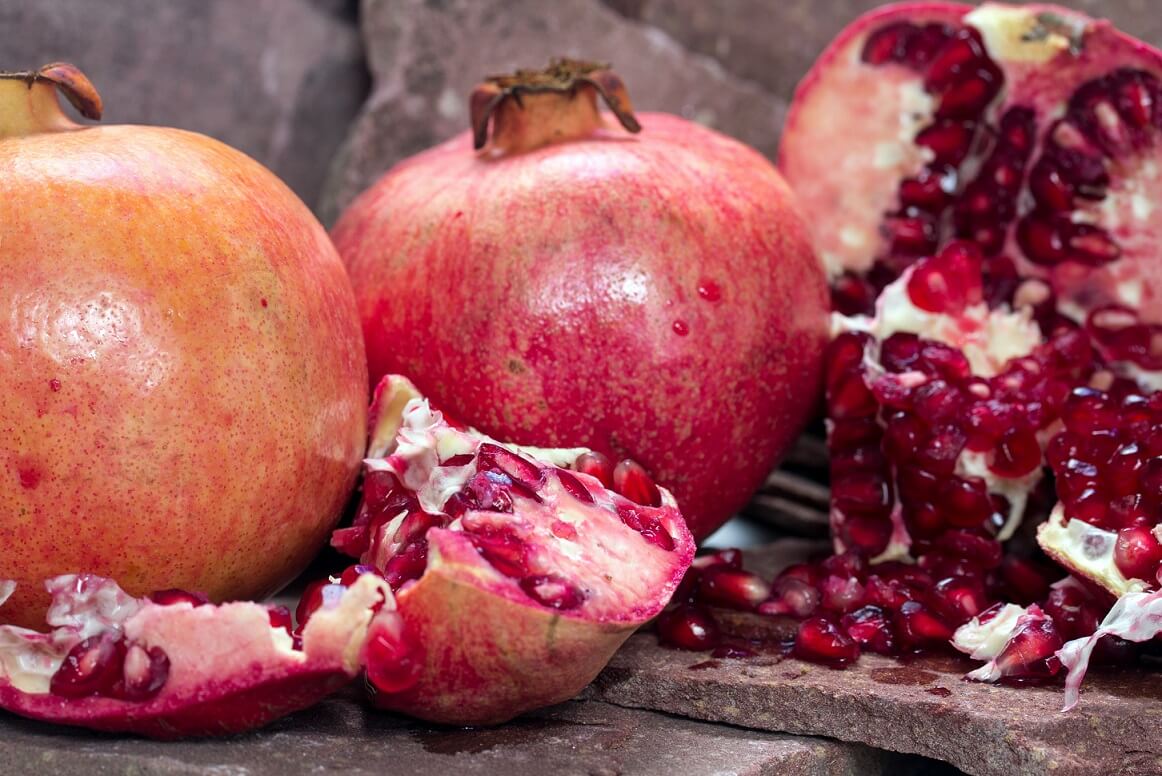
Pomegranate. Polyphenol antioxidants, chiefly ellagic acid and punicalagin, plus punicic acid. Studied for inflammatory markers, blood pressure, joint enzymes, triglycerides, blood flow, and memory. Two of the reasons it belongs in an inside-out formula.
Noni. Vitamin C and selenium, with a long folk-medicine history. Traditional uses include joint comfort, energy, skin elasticity, and immune support. The fruit is tart; in Life it is part of the blend, not a shot you have to finish.
Jujube. Flavonoids, saponins, polysaccharides, vitamin C, potassium, iron, and phosphorus. Traditional Chinese medicine has used the fruit for sleep, a calm mind, digestion, and circulation. A quiet member of the thirteen.
Maqui berry. A deep-purple Chilean fruit with a high concentration of polyphenols and anthocyanins (about 80% delphinidins). Studied for antioxidant protection, a healthy inflammatory response, cholesterol, eye health, and glucose balance — and for neutralizing enzymes that chew on connective tissue.
Apple. Low in calories, a useful source of soluble and insoluble fiber including pectin. Associated in population studies with cardiovascular and metabolic health; the pectin is the practical reason it belongs in a daily bottle.
Mangosteen. Rich in xanthones, with vitamins A and C, B-vitamins, potassium, and magnesium. Southeast Asian traditional medicine has used the rind and fruit for skin, digestion, and immune support. The xanthones are the modern interest.
Cranberry. Vitamin C, fiber, vitamin E, and polyphenols. Best known for urinary-tract support; also studied for oral bacteria, blood pressure, and platelet function. Tart on purpose.
Grape. Vitamins C and K plus more than a thousand plant compounds, including resveratrol, quercetin, anthocyanins, and catechins. The same family of chemistry behind the French paradox and the Life formula’s separate resveratrol dose.
Açaí. Amazon palm fruit rich in fatty acids (oleic, palmitic, linoleic), amino acids, sterols, anthocyanins, and proanthocyanidins. Studied for antioxidant status, cholesterol, immune function, and oxidative stress. The purple that made superfoods famous.
Lycium (goji). Fiber, protein, iron, copper, selenium, vitamins A and C, polysaccharides, and betaine. Traditional uses include eyes, liver, and vitality. Modern work has looked at immune function, antioxidant status, energy, and exercise performance.
Nopal (prickly pear). A fiber-rich cactus used for centuries in Mexican herbal medicine. Pads are high in calcium and viscous mucilage that slows sugar absorption; studied for blood sugar, cholesterol, oxidative stress, and hangover severity. The thirteenth fruit in the bottle — not a garnish.
Want to get all these fruits puréed into one bottle? You can, and so much more. Two daily servings of Liquid BioCell Life carry the patented formula, trans-resveratrol, and these thirteen phytonutrient fruits together. That is the point of the blend: not a smoothie, a system.


These statements have not been evaluated by the Food and Drug Administration. These products are not intended to diagnose, treat, cure, or prevent any disease. Individual results vary. This site is educational and is not a substitute for medical advice.
← All notes